Emmanuel Levinas

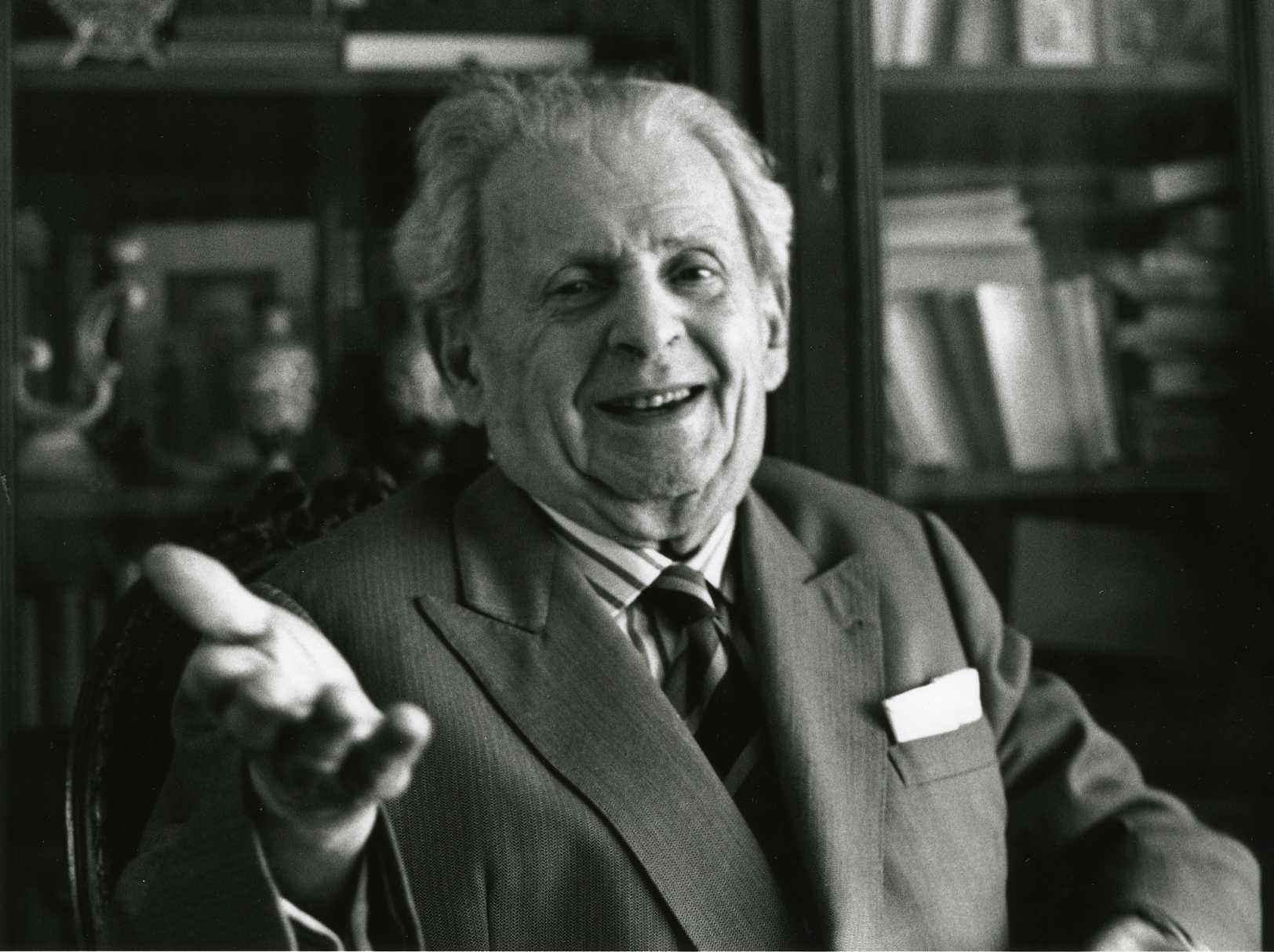
Emmanuel Lévinas

“To approach the Other in conversation is to welcome his expression, in which at each instant he overflows the idea a thought would carry away from it. It is therefore to receive from the Other beyond the capacity of the I, which means exactly: to have the idea of infinity. But this also means: to be taught. The relation with the Other, or Conversation, is a non-allergic relation, an ethical relation; but inasmuch as it is welcomed this conversation is a teaching. Teaching is not reducible to maieutics; it comes from the exterior and brings me more than I contain. In its non-violent transitivity the very epiphany of the face is produced.”

Quoted from http://www.goodreads.com/author/quotes/1603038.Emmanuel_L_vinasEmmanuel Lévinas, Totality and Infinity: An Essay on Exteriority

Image reproduced from http://www.dcambrose.com/past-research/
Antonin Artaud

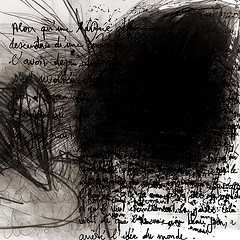
Projet dessins pour Artaud

‘these are not drawings, / they do not figure anything / do not disfigure anything, / are not there to construct, / edify / institute / a world / even abstract, / these are notes, / words / trumeaux, / they are ardent, / corrosive, / incisive, / spurting forth / from I don’t know what whirlwind / of under-maxillary / under-spatulary / vitriol / for they are there as if nailed down / and destined no longer to move, / trumeaux then, / but making their apocalypse / for they have said too much about it to be born / and have said too much in being born / not to be reborn / and take on their body / then authentically. Continue reading

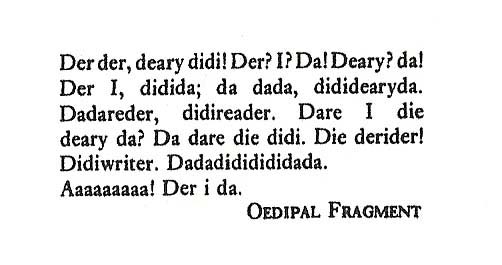
Performativity

Judith Butler

“Performativity” Butler says “is construed of that power of discourse to produced effects through re-iteration, to produce what it declares.” Performativity however, is only possible within the constraints of  “iterability.” We are spoken more than we speak, done more than we do; therefore we are “constrained by what remains radically unthinkable” and, in the area of sexuality “by the radical unthinkability of desiring otherwise”. Inhabiting a sexed position then always engages citational practices, “citing the law under and through the force of prohibition and taboo, with the threat of ostracism and even death compelling and controlling the shape of production but without fully pre-determining it.” “Agency” then, according to Butler’s reconfiguration, is always “on drugs”. It is always under the influence of language and can only take place within our reiteration of the reiterable. Continue reading