Currently Reading

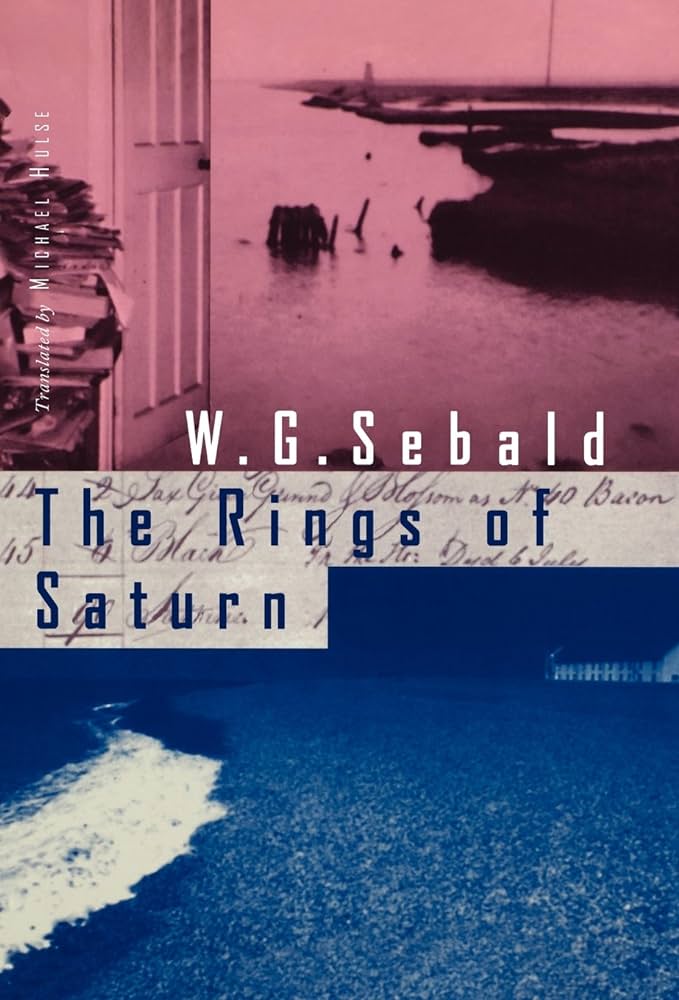
A fictional account of a walking tour through England’s East Anglia, Sebald’s home for more than twenty years, The Rings of Saturn explores Britain’s pastoral and imperial past. Its ten strange and beautiful chapters, with their curious archive of photographs, consider dreams and reality. As the narrator walks, a company of ghosts keeps him company – Thomas Browne, Swinburne, Chateaubriand, Joseph Conrad, Borges – conductors between the past and present. The narrator meets lonely eccentrics inhabiting tumble-down mansions, and hears of the furious coastal battles of two world wars. He tells of far-off China and the introduction of the silk industry to Norwich. He walks to the now forsaken harbor where Conrad first set foot on English soil and visits the site of the once-great city of Dunwich, now sunk in the sea, where schools of herring swim. As the narrator catalogs the transmigration of whole worlds, the reader is mesmerized by change and oblivion, survival and memories. Blending fiction and history, Sebald’s art is as strange and beautiful as the rings of Saturn, created from fragments of shattered moons.”–Publisher’s description

Writing Britain

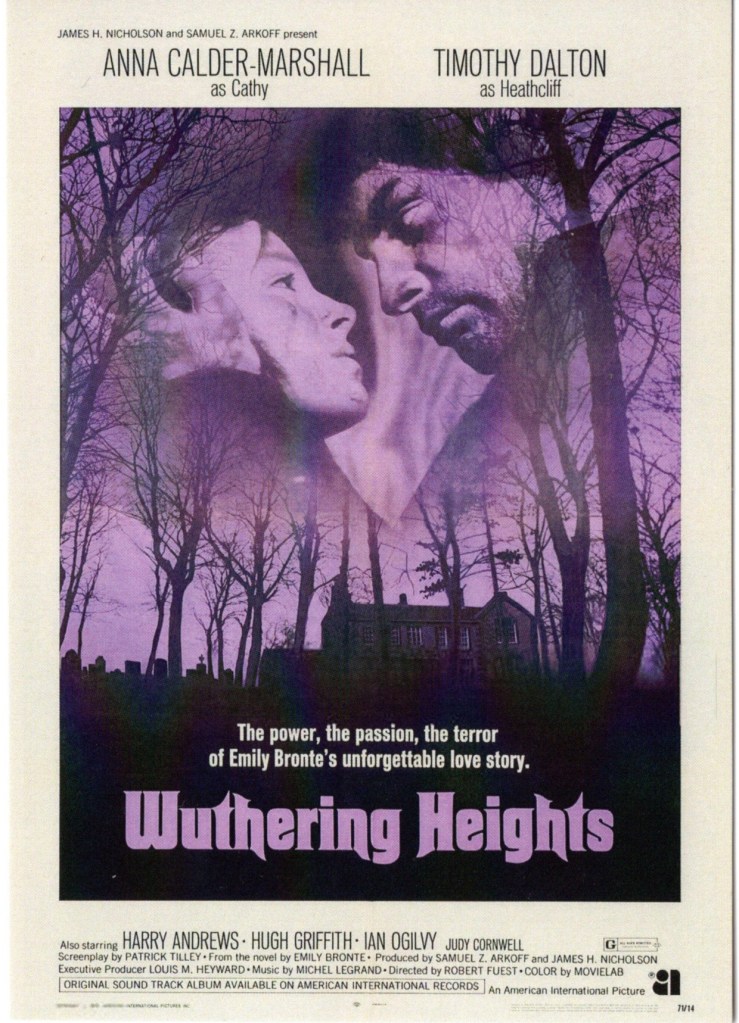
“This book celebrates some of the most dazzling treasures of English literature to show how Britain’s greatest authors have been inspired by, and even redefined, their country. From Chaucer’s pilgrims journeying from Southwark to Canterbury, to the 21st century suburban hinterlands of J.G. Ballard, this book will explore how the places and landscapes of Britain permeate the nation’s great literary works and how these works have, in turn, helped shape our perception and understanding of landscape and place, both real and imagined. As well as celebrating the traditional British landscape the book will also examine the literary construction of the city, following the mysterious fog-filled streets that stretch from the London of Dickens and Robert Louis Stevenson’s Strange Case of Dr Jekyll and Mr Hyde to the urban underworlds revealed by contemporary writers such as Neil Gaiman and Iain Sinclair. Accompanying a major exhibition at the British Library, the book also features such diverse landscapes as Emily Bronte’s wild and windy Yorkshire Moors, Elizabeth Gaskell’s industrial northern towns, the seaside-turned-nightmare of Bram Stoker’s Dracula, Graham Greene’s seedy and menacing Brighton, Virginia Woolf’s Bond Street and Hanif Kureishi’s suburbia, this book will describe and illustrate the work of over 100 of the greatest British writers who have been inspired by place, spanning the Middle Ages to the 21st century.”

Text reproduced from Amazon accessed 07/05/24