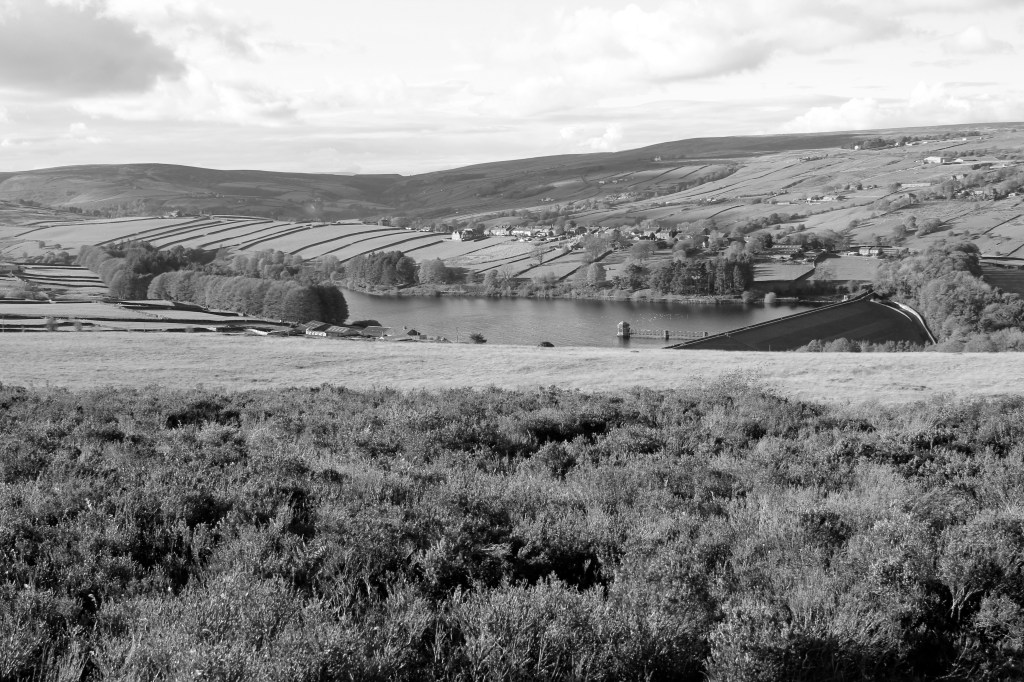
Penistone Hill Country Park 05/11/23


Dark Skies, Wild Seas, Ancient Places: Cot Valley Group Artist Residency (November 12th – November 16th 2023). The residency is an opportunity to spend time with like-minded people in the awe-inspiring location of Cot Valley, Cornwall, nestled within the UK’s most Westerly peninsular. This fascinating arts-science-heritage opportunity is curated to inspire art practitioners, researchers and thinkers alike.
Taking the theme of ‘Dark Skies, Wild Seas’ we consider the stories of stars and the wild coastline of the Cornish peninsular, looking at how people have lived and worked this special landscape since prehistory using and enjoying the ancient night skies and sea connectivity that we can experience today. We reside at Lands End YHA, a wild, natural setting with views down the Cot Valley of the vast Celtic sea. This remarkable building boasts 1920s-period features, a cosy open fire and plenty of indoor and outdoor space, and lowlight nights for stargazing and footpaths leading from the hostel to the coast and the village of St Just. Just 10 minutes walk to the unusual prehistoric site of Ballowall Barrow which overlooks the Atlantic. We encourage everyone to share enthusiasm and relevant research; our overview project theme ‘Dark Skies, Wild Seas, Ancient Places’ is connected to star stories, astronomy, geology, and local heritage.

Text by Cristina Acuna and Reagan Bleasdell
“Sir Thomas More was the first person to use the term “utopia,” describing an ideal, imaginary world in his most famous work of fiction. His book describes a complex community on an island, in which people share a common culture and way of life (“16th Century Dreams: Thomas More”). The term he coined derives from the Greek word ou-topos meaning “nowhere,” (“Utopia Summary”). Ironically, it is the opposite of the similar-sounding Greek word eu-topos meaning “a good place,” (“Utopia Summary”). At its heart, the book poses the question of whether there could ever be such a thing as a “perfect” world and served as a platform to highlight the chaos of European politics at the time.”Sir Thomas More was the first person to use the term “utopia,” describing an ideal, imaginary world in his most famous work of fiction.
The book, written in 1516, is More’s attempt to suggest ways to improve European society, using “Utopia” as an example. More was a major figure of the English Renaissance who cared deeply about the moral and political responsibilities of individuals. He eventually rose to one of the highest offices in the land, and, as chancellor of England in 1529, came up against his own king with disastrous consequences. More strongly opposed Henry VIII’s separation from the Catholic Church and refused to sign the Oath of Supremacy, which would give King Henry more power than the Pope. He was convicted of treason and was imprisoned in the Tower of London. They continued to urge him to sign the oath, but he refused. He was sentenced to be hanged, drawn, or quartered, the usual punishment for traitors, but the king commuted this to execution by decapitation. While on the scaffold, he declared that he died, “The king’s good servant, and God’s first” (qtd. in “Thomas Moore” Wikipedia).
The society depicted in Utopia differs from the European society that Thomas More was living in at the time, one rife with intrigue, corruption and mired by scandal. The author’s experience with politics in his time and the Utopia that he invented demonstrates this contrasting relationship: Utopia is communal, allowing its people to easily meet their needs, while European society is described as a place where, “Idle monarchs and nobles seek to increase their own wealth and power at the expense of the people, who are left in poverty and misery” (“Utopia: Theme Analysis”). Clearly dissatisfied with the world he was living in, More sought to create a different place altogether on the page—a world free of the hierarchies that ultimately cost the author his life.”
Text reproduced from https://pressbooks.pub/earlybritishlit/chapter/sir-thomas-more-utopia/ (accessed 25/10/23) Image reproduced from https://www.britannica.com/topic/Utopia-by-More (accessed 25/10/23)

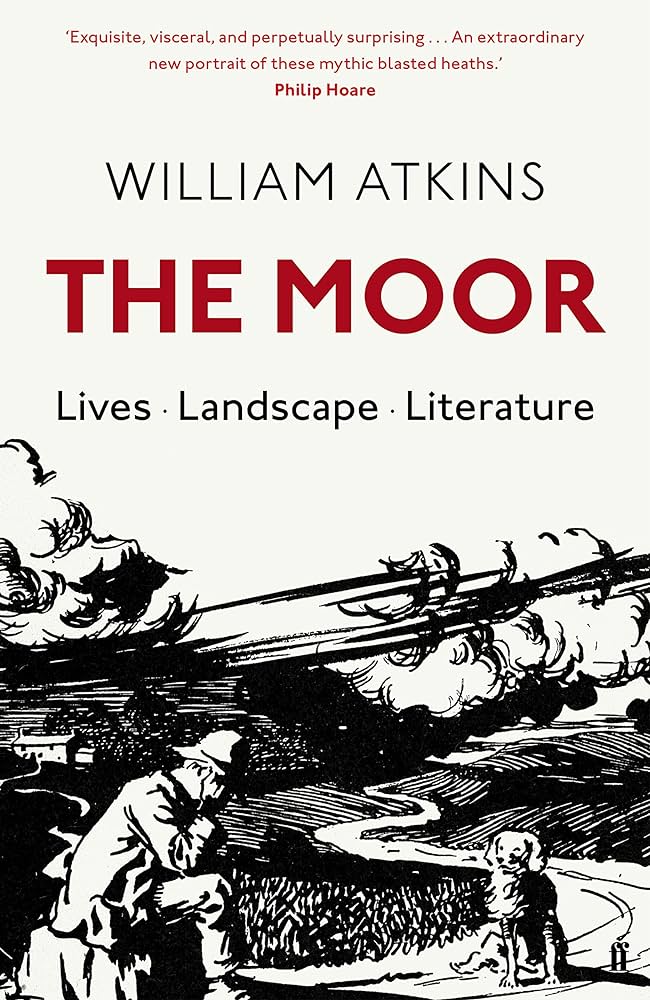
In this journey across England’s most forbidding and mysterious terrain, William Atkins takes the reader from south to north, exploring moorland’s uniquely captivating position in our history, literature and psyche. Atkins’ journey is full of encounters, busy with the voices of the moors, past and present. He shows us that, while the fierce terrains we associate with Wuthering Heights and The Hound of the Baskervilles are very human landscapes, the moors remain daunting and defiant, standing steadfast against the passage of time.
 denisestartin.co.uk