
“There are ten things that I can say about these deep maps.
First. Deep maps will be big – the issue of resolution and detail is addressed by size.
Second. Deep maps will be slow – they will naturally move at a speed of landform or weather.
Third. Deep maps will be sumptuous – they will embrace a range of different media or registers in a sophisticated and multilayered orchestration.
Fourth. Deep maps will only be achieved by the articulation of a variety of media – they will be genuinely multimedia, not as an aesthetic gesture or affectation, but as a practical necessity.
Fifth. Deep maps will have at least three basic elements – a graphic work (large, horizontal or vertical), a time-based media component (film, video, performance), and a database or archival system that remains open and unfinished.
Sixth. Deep maps will require the engagement of both the insider and outsider.
Seventh. Deep maps will bring together the amateur and the professional, the artist and the scientist, the official and the unofficial, the national and the local.
Eighth. Deep maps might only be possible and perhaps imaginable now – the digital processes at the heart of most modern media practices are allowing, for the first time, the easy combination of different orders of material – a new creative space.
Ninth. Deep maps will not seek the authority and objectivity of conventional cartography. They will be politicized, passionate, and partisan. They will involve negotiation and contestation over who and what is represented and how. They will give rise to debate about the documentation and portrayal of people and places.
Tenth. Deep maps will be unstable, fragile and temporary. They will be a conversation and not a statement.”
Text reproduced from Clifford McLucas http://documents.stanford.edu/MichaelShanks/51 (accessed 04/05/23)
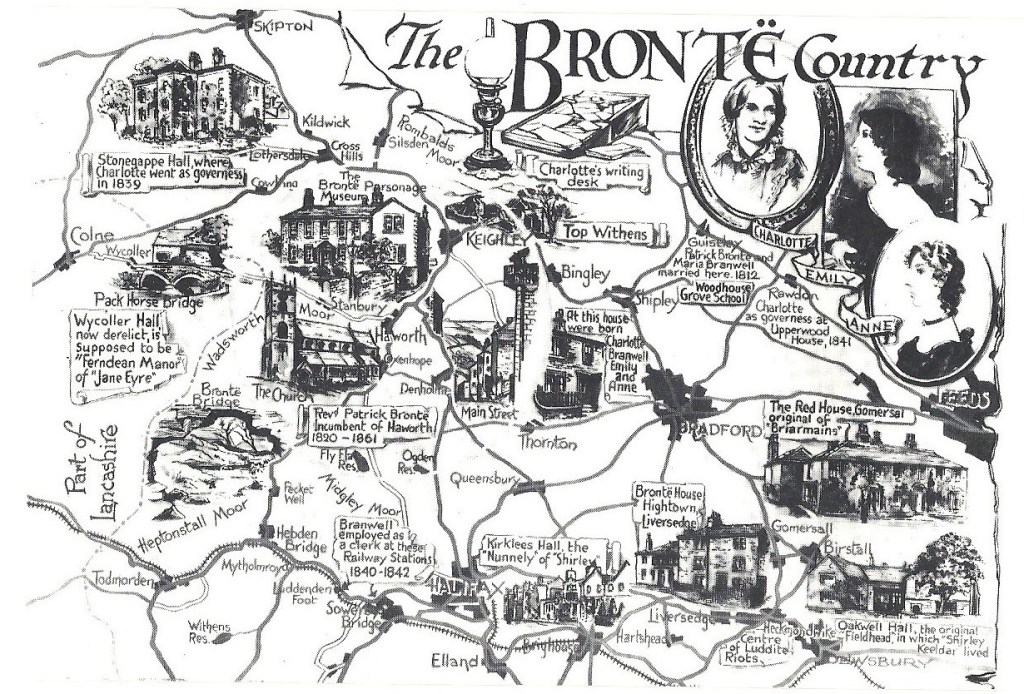
Image reproduced from http://deepmappingsanctuaries.org/deep-mapping/ (accessed 04/05/23)


 denisestartin.co.uk