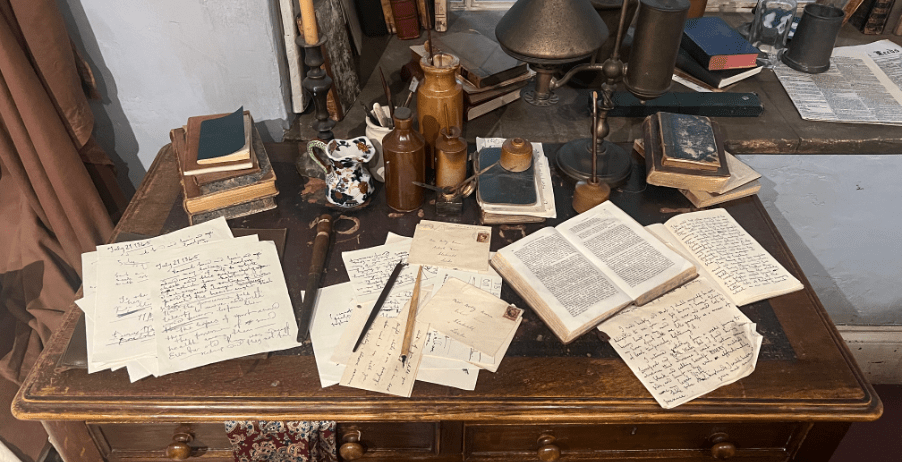
This research is grounded in an interdisciplinary, practice-led approach that stages chorography as both methodology and mode of inquiry, privileging process, embodiment, and creative experimentation. In practice, this approach is realised through a body of work spanning moving-image, photography, installation, site-specific intervention, and performance writing, all situated at the intersection of embodied fieldwork, archival play, and speculative narrative. Through these forms, I interrogate how archival fragments, textual, visual, and artefactual, can be (re)collected, reinterpreted, and reanimated via sensory gestures, narrative slippage, and acts of embodied citation. Central to this practice is the activation of dramatis personae who act as narrative interlocutors, structuring devices and speculative figures that enable a slippage between researcher and archive, past and present, fact and fiction. These rhetorical figures operate as explorers, (mis)guides, and mnemonic surrogates, enabling a mode of fieldwork that is both materially grounded and imaginatively expansive. Through them, the archive becomes a vehicle of resonance, resistance, and reimagination, staging historiographic instability and opening up space in the archive for embodied speculation, where gestures of citation are enacted rather than merely recorded. In doing so, my work reframes the archive not as a static repository but as a haunted, migratory space that moves across media, bodies, and temporalities where landscapes, bodies and narratives converge.
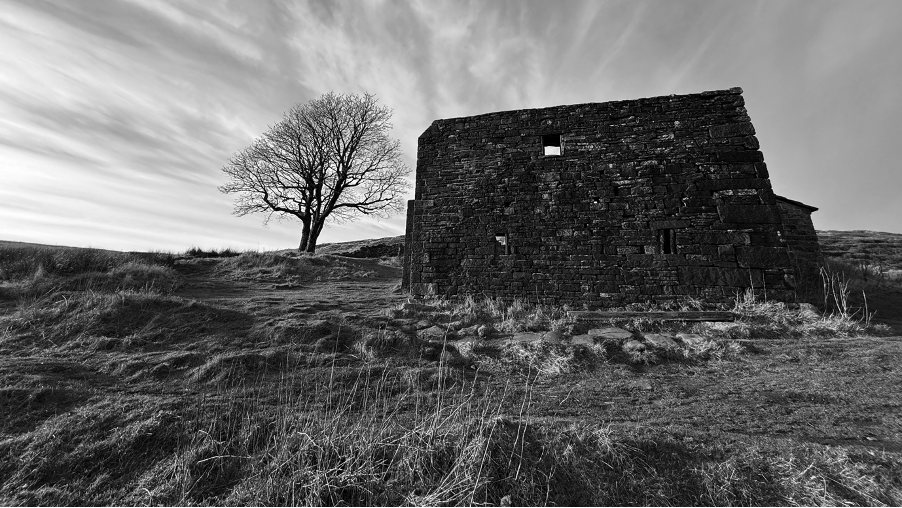
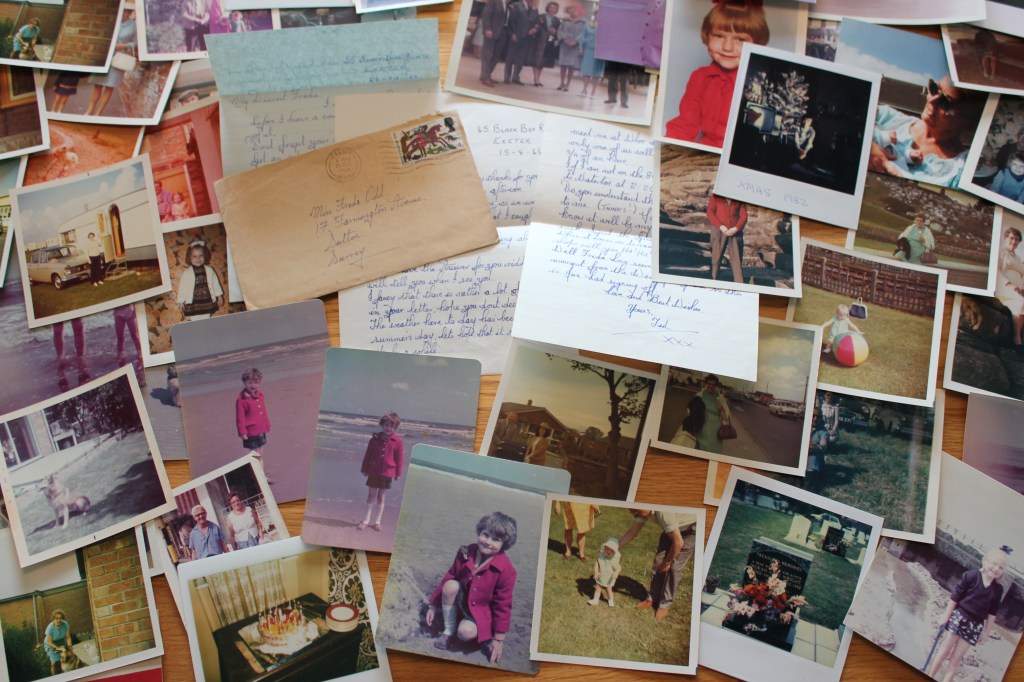
A significant aspect of this approach is the construction of a vernacular archive sourced from eBay, whose algorithmically curated collections of letters, postcards, and photographs stand in deliberate contrast to institutional archives. This contingent, everyday archive both initiates and shapes the fieldwork, foregrounding the fragmentary, ephemeral, and unpredictable nature of memory, collection, and research. Through a performative archival practice, walking, (re)collecting, re-enacting, writing, re-citing, reciting and remembering, the landscape is activated as a mnemonic terrain and the archive as a live site of negotiation, resonance, and resistance, where memory is contested, reanimated, and re-authored. This project is situated in Brontë Country, West Yorkshire, a landscape dense with literary, historical, and affective resonances. Here, I privilege fragment, rupture, and affective encounter over any claims the archive might have to institutional fixity or control by adopting a methodology of situated refusal, a way of inhabiting the archive without claiming it. This approach foregrounds the politics of memory, whose stories are told, whose gestures preserved while advancing chorography as a feminist, performative, and practice-led methodology for reimagining place, history, cultural memory and the performative construction of identity.

 denisestartin.co.uk