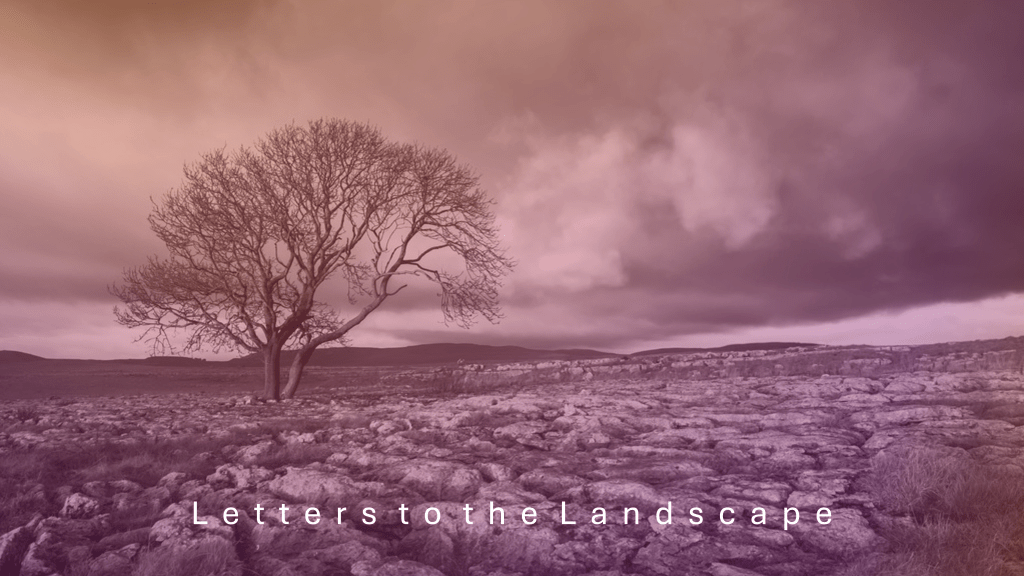
This paper proposes a speculative feminist historiography that re-cites the archive through embodied fieldwork, fictional personae, and the politics of memory. Drawing on site-specific research, situated within Brontë Country, West Yorkshire I explore how sensory gestures—walking, touching, re-enacting—activate archival fragments and reframe landscape as a mnemonic field. The archive here is not a static repository but a haunted space—one that migrates across media, bodies, and temporalities. By foregrounding the performative dimensions of archival practice — writing, walking, re-collecting, recollecting, reciting, re-citing and remembering, the archive, in this context, is a multisensory terrain and a site of negotiation, where memory is contested, reanimated, and re-authored.
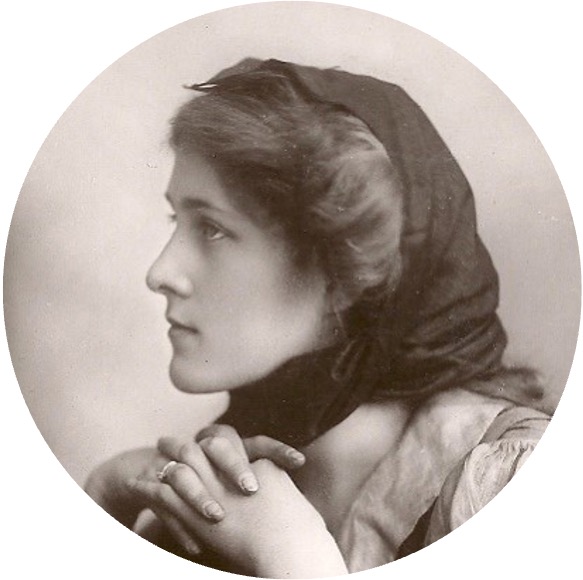
Central to this inquiry is the figure of Phyliss Dare, a fictional persona who enables a methodological slippage between researcher and archive, past and present, fact and fiction. Dare operates as both structuring device and speculative method, enabling a mode of citation that foregrounds absence, polyphony, and narrative slippage. Her presence as explorer, travel guide, writer, and photographer allows for a reframing of fieldwork as fictional encounter, one that destabilises linear historiography and opens space for embodied speculation. Through Dare the archive becomes a stage for performance, where gestures of citation are enacted rather than merely recorded.
Rather than reconstructing a lost narrative or a singular past, the work proposes a historiography in which archival gestures become vehicles of resonance, resistance and reanimation. By triangulating fieldwork, fiction, and citation, I argue for a historiographic practice that is both materially grounded and imaginatively expansive. This method foregrounds the politics of memory, whose stories are told, whose gestures are preserved, and insists on the archive as a live site of encounter. In doing so, it offers a framework for engaging with historical material not only recovered as evidence, but re-situated within a living, shifting terrain where bodies landscapes and narratives converge.

 denisestartin.co.uk