
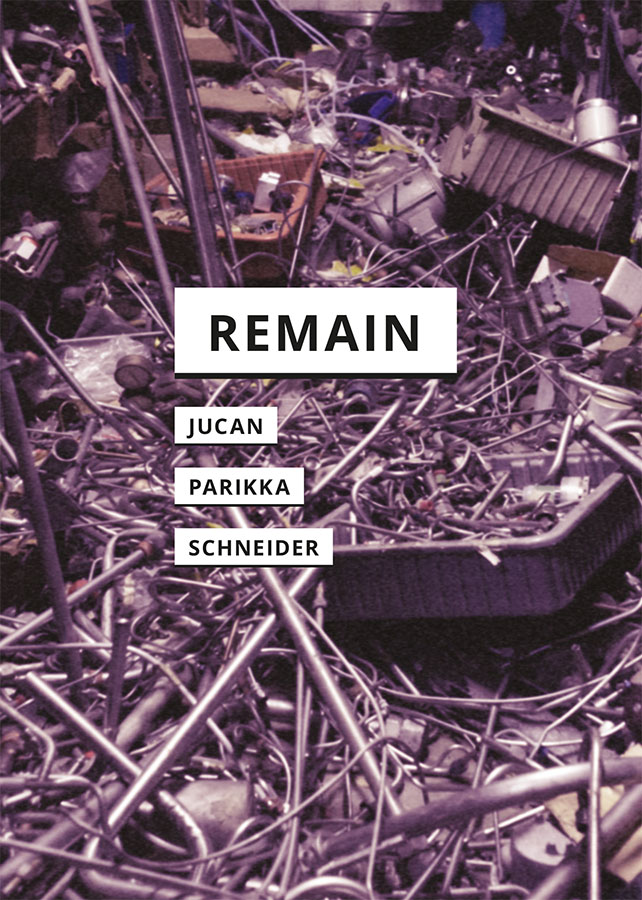
Letters to the Landscape brings together haunting, de-archiving, and displacement as interwoven strategies of resistance, contributing to ongoing conversations around feminist historiography, embodied research, and the politics of cultural memory. This work is a cinematic essay, practice-led investigation and situated methodology grounded in the archival practice of (re)collecting, framing vernacular archives as dynamic social agents and sites of affective transmission. Structured as episodic meditations across the moorlands of Brontë Country, the work interrogates how landscape, literature, and the female body intersect through archival gestures including letter writing, re-citing, reciting, remembering, walking, appropriation, and fictionalisation. Drawing on the epistolary form, found materials, and multimodal image-making the artist-researcher is positioned within both the physical terrain and the symbolic archive, enacting an embodied traversal that resists institutional fixity and foregrounds fragment, rupture, and affective resonance (Taylor, 2003; Schneider, 2011; Kämpfe, 2023). The project performs a recuperative act, (re)collecting postcards, letters, voices, and family photographs whilst acknowledging the impossibility of full recovery. Echoing Derrida’s (1996) notion of the archive as search and longing, the archive is conceived not as a fixed repository but as a haunted porous space: a séance, where Brontë, Gaskell, and the artist’s voice (in the guise of fictional personae Phyllis Dare) converge, interrupt, and overwrite each other. This polyphonic layering becomes a strategy of de-archiving, resisting singular authorship and re-situating memory as a shared unstable terrain.
Displacement emerges as both theme and method. The journey to Top Withens, reputed site of Wuthering Heights (1847), is framed as reluctant encounter rather than literary pilgrimage, with the landscape enacting estrangement and resistance (Rosenberg, 2007; Sebald, 2013). Archival materials are (re)collected, redistributed, and misremembered, the gesture of collecting is transformed into a metaphor for unrequited desire. In this way, the archive migrates across bodies, media, and temporalities, a travelling entity whose meaning remains unstable and contested (Bal, 2002, Slaymaker, 2023; Carter et al., 2022). By foregrounding social performances of memory through walking, writing, (re)collecting, remembering, this project proposes a methodology of situated resistance: a way of inhabiting the archive without claiming it. Letters to the Landscape challenges dominant memorial frameworks by expanding how vernacular memory objects are read and activated across non-institutional sites. The project ultimately unfolds as a speculative feminist historiography re-situating memory as a living and embodied terrain. The work has been constructed through the interaction of several pseudonyms, operating under the fictional artist duo Vale & Howlette. By foregrounding these dramatis personae, the project interrogates authorship, authenticity, and the performance of identity within a speculative narrative framework. The use of performance, voice, and multi-modal forms foregrounds how vernacular archives carry social memory in ways that challenge existing interpretative structures, resisting containment through affective rupture. The work ultimately unfolds not to restore a lost narrative or reconstruct a singular past, but to re-situate memory within a living and embodied terrain where archival gestures become vehicles of resistance, resonance, and reimagination and landscapes, bodies and narratives converge.
 denisestartin.co.uk