Paper Abstract: Excavating the Ephemeral through Performative Archival Practice: Fact, Fiction and Fieldwork, AAH Symposium, Cambridge 2026

Film Still: Episode 1, Epistles, Letters to the Landscape 2025. Moving-image, approx. 32 minutes 

Contemporary artists are increasingly challenging the boundaries of the archive and authorship through fictional strategies and non-traditional materials. This paper offers a methodological reflection on the use of fictional personae as narrative interlocutors within my practice-led PhD research, demonstrating how non-traditional archives can challenge, extend, and reimagine art history’s archival practices. I argue that the strategic adoption of fictional personae forms a critical methodology for reimagining archival practice and opening historiography up to the speculative. Here, fictionalisation functions as ‘de-archiving’, investigating silences, absences and contested narratives within memory and history. Drawing on theoretical perspectives such as Saidiya Hartman’s critical fabulation, Donna Haraway’s speculative fabulation, and Hayden White’s conception of historiography as poetic and philosophical, I demonstrate how fictional personae developed in my project Letters to the Landscape, 2025, through the pseudonymous artist duo Vale & Howlette facilitate a performative, polyphonic engagement with a physical archive assembled from eBay. These materials instigate embodied fieldwork as détournement and processes of archival reinvention, challenging what constitutes an archive and whose histories are preserved. My approach resonates with artists such as Erika Tan, Walid Raad, Susan Hiller, and The Otolith Group, who use found or fabricated archives to critique dominant histories. By asking how using fictional personae and digital archives like eBay can reshape narrative and memory in art history, I argue that integrating fictional methodologies with non-traditional archives constitutes a form of critical, speculative historiography, one that not only reimagines narrative, memory, history and identity but also offers a transferable model for artistic and scholarly enquiry.
   

Revised Artist’s statement based on PhD research

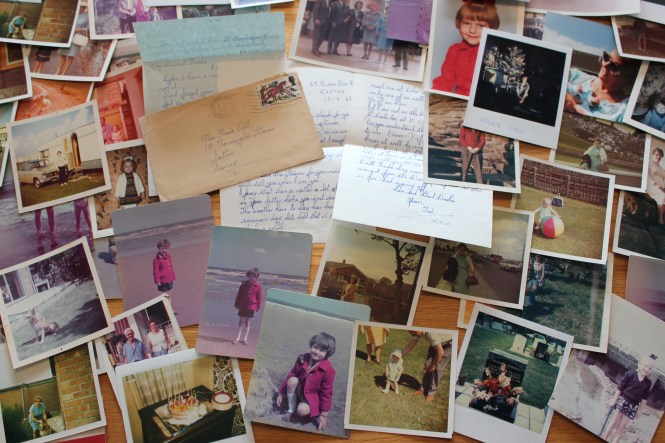
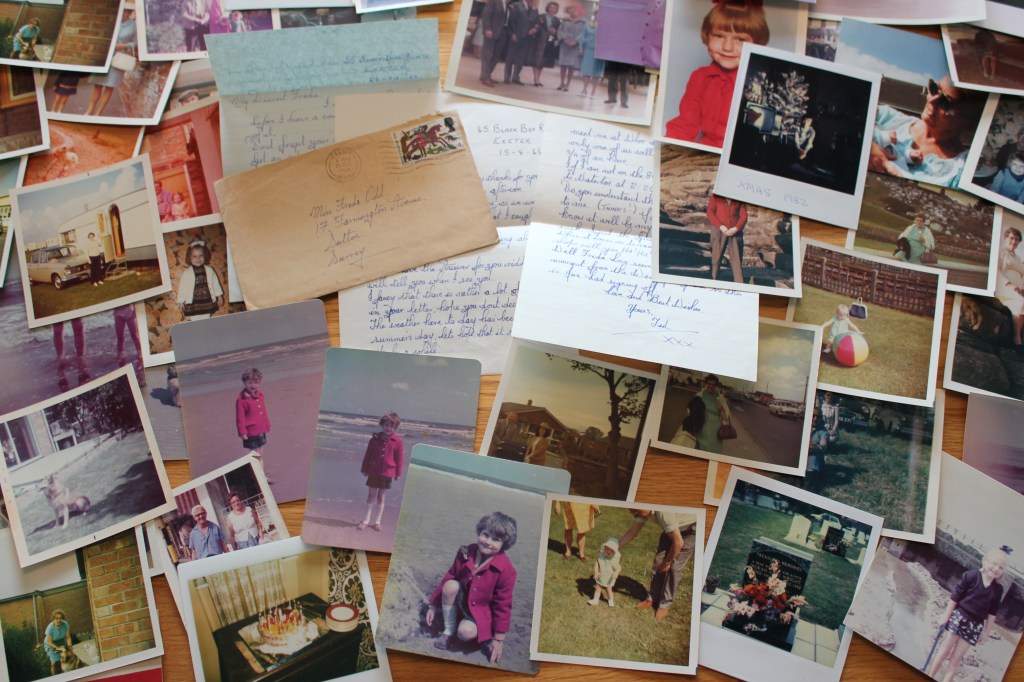
Film Still: Letters to the Landscape, Moving Image, approx.25 minutes. Found photographs, polaroids and letters from the Director’s Collection, curated by Victoria Hermita, Keeper of the Collection, Editor and P.A to the Director, George Howlette

Denise Startin is an artist, writer, and researcher who stages an interdisciplinary and performative archival practice through embodied fieldwork, dramatis personae, and the politics of memory. Working across moving image, photography, installation, site-specific interventions, and performance writing, she explores how archival fragments, textual, visual, and artefactual, can be reinterpreted through sensory gestures and narrative slippage. Her work reframes the archive not as a static repository but as a haunted, migratory space, one that moves across media, bodies, and temporalities. Through walking, (re)collecting, re-enacting, writing, re-citing, reciting and remembering, she activates the landscape as a mnemonic terrain and the archive as a site of negotiation, where memory is contested, reanimated, and re-authored.

Central to her methodology is the use of dramatis personae who act as narrative interlocutors, structuring devices and speculative tools that enable a slippage between researcher and archive, past and present, fact and fiction. These rhetorical figures operate as explorers, (mis)guides, and mnemonic surrogates, enabling a mode of fieldwork that is both materially grounded and imaginatively expansive. Through them, the archive becomes a vehicle of resonance, resistance, and reimagination, staging historiographic instability and opening space for embodied speculation, where gestures of citation are enacted rather than merely recorded. Her current research, undertaken as part of a practice-based PhD at the University of Leeds, is situated in Brontë Country, West Yorkshire, and investigates place as a medium of cultural memory and a terrain where bodies, landscapes, and narratives converge. The work privileges fragment, rupture, and affective resonance over institutional fixity, proposing a methodology of situated refusal, a way of inhabiting the archive without claiming it. This approach foregrounds the politics of memory, whose stories are told, whose gestures are preserved, and insists on the archive as a live site of encounter.

About Letters to the Landscape (2025)

Title still

Letters to the Landscape brings together haunting, de-archiving, and displacement as interwoven strategies of resistance, contributing to ongoing conversations around feminist historiography, embodied research, and the politics of cultural memory. This work is a cinematic essay, practice-led investigation and situated methodology grounded in the archival practice of (re)collecting, framing vernacular archives as dynamic social agents and sites of affective transmission. Structured as episodic meditations across the moorlands of Brontë Country, the work interrogates how landscape, literature, and the female body intersect through archival gestures including letter writing, re-citing, reciting, remembering, walking, appropriation, and fictionalisation. Drawing on the epistolary form, found materials, and multimodal image-making the artist-researcher is positioned within both the physical terrain and the symbolic archive, enacting an embodied traversal that resists institutional fixity and foregrounds fragment, rupture, and affective resonance (Taylor, 2003; Schneider, 2011; Kämpfe, 2023). The project performs a recuperative act, (re)collecting postcards, letters, voices, and family photographs whilst acknowledging the impossibility of full recovery. Echoing Derrida’s (1996) notion of the archive as search and longing, the archive is conceived not as a fixed repository but as a haunted porous space: a séance, where Brontë, Gaskell, and the artist’s voice (in the guise of fictional personae Phyllis Dare) converge, interrupt, and overwrite each other. This polyphonic layering becomes a strategy of de-archiving, resisting singular authorship and re-situating memory as a shared unstable terrain.

Displacement emerges as both theme and method. The journey to Top Withens, reputed site of Wuthering Heights (1847), is framed as reluctant encounter rather than literary pilgrimage, with the landscape enacting estrangement and resistance (Rosenberg, 2007; Sebald, 2013). Archival materials are (re)collected, redistributed, and misremembered, the gesture of collecting is transformed into a metaphor for unrequited desire. In this way, the archive migrates across bodies, media, and temporalities, a travelling entity whose meaning remains unstable and contested (Bal, 2002, Slaymaker, 2023; Carter et al., 2022). By foregrounding social performances of memory through walking, writing, (re)collecting, remembering, this project proposes a methodology of situated resistance: a way of inhabiting the archive without claiming it. Letters to the Landscape challenges dominant memorial frameworks by expanding how vernacular memory objects are read and activated across non-institutional sites. The project ultimately unfolds as a speculative feminist historiography re-situating memory as a living and embodied terrain. The work has been constructed through the interaction of several pseudonyms, operating under the fictional artist duo Vale & Howlette. By foregrounding these dramatis personae, the project interrogates authorship, authenticity, and the performance of identity within a speculative narrative framework. The use of performance, voice, and multi-modal forms foregrounds how vernacular archives carry social memory in ways that challenge existing interpretative structures, resisting containment through affective rupture. The work ultimately unfolds not to restore a lost narrative or reconstruct a singular past, but to re-situate memory within a living and embodied terrain where archival gestures become vehicles of resistance, resonance, and reimagination and landscapes, bodies and narratives converge.

Re-citing the Archive: Fieldwork, Fiction and the Politics of Memory

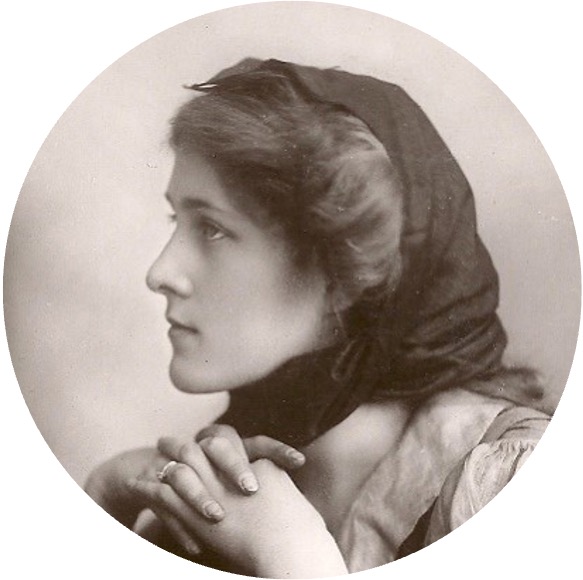
Fieldwork as Fiction: Phyllis Dare, explorer, travel guide, writer, and photographer

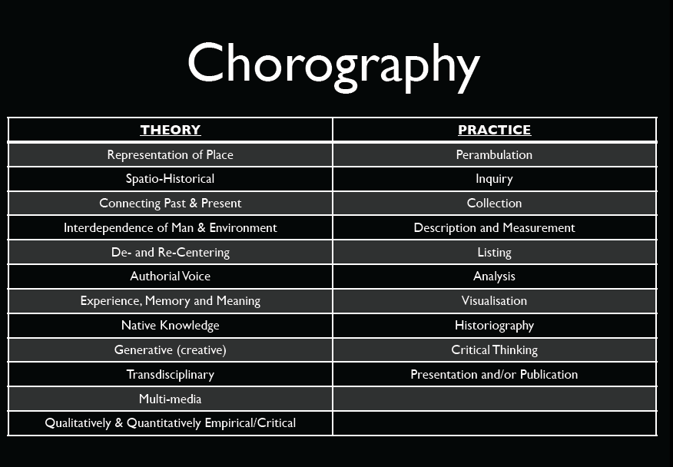
This paper proposes a speculative feminist historiography that re-cites the archive through embodied fieldwork, fictional personae, and the politics of memory. Drawing on site-specific research, situated within Brontë Country, West Yorkshire I explore how sensory gestures—walking, touching, re-enacting—activate archival fragments and reframe landscape as a mnemonic field. The archive here is not a static repository but a haunted space—one that migrates across media, bodies, and temporalities. By foregrounding the performative dimensions of archival practice — writing, walking, re-collecting, recollecting, reciting, re-citing and remembering, the archive, in this context, is a multisensory terrain and a site of negotiation, where memory is contested, reanimated, and re-authored.

Central to this inquiry is the figure of Phyliss Dare, a fictional persona who enables a methodological slippage between researcher and archive, past and present, fact and fiction. Dare operates as both structuring device and speculative method, enabling a mode of citation that foregrounds absence, polyphony, and narrative slippage. Her presence as explorer, travel guide, writer, and photographer allows for a reframing of fieldwork as fictional encounter, one that destabilises linear historiography and opens space for embodied speculation. Through Dare the archive becomes a stage for performance, where gestures of citation are enacted rather than merely recorded.

Rather than reconstructing a lost narrative or a singular past, the work proposes a historiography in which archival gestures become vehicles of resonance, resistance and reanimation. By triangulating fieldwork, fiction, and citation, I argue for a historiographic practice that is both materially grounded and imaginatively expansive. This method foregrounds the politics of memory, whose stories are told, whose gestures are preserved, and insists on the archive as a live site of encounter. In doing so, it offers a framework for engaging with historical material not only recovered as evidence, but re-situated within a living, shifting terrain where bodies landscapes and narratives converge.