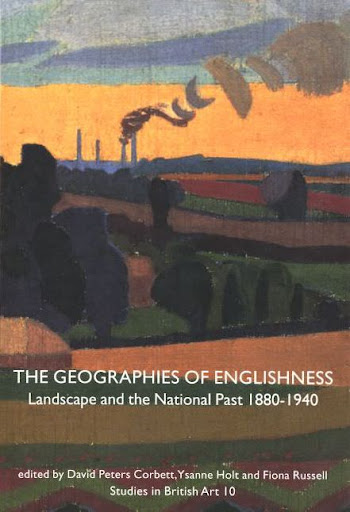
In the late-19th and early-20th centuries, the notion of Englishness was widely debated in English art and cultural circles. Might there be a specifically English landscape and an English way of representing it? Was the history of the nation unique, and might there be a particular and resilient national character? This study examines the intersection of national identity, modernization and landscape in English art during the period from 1880 to 1940.
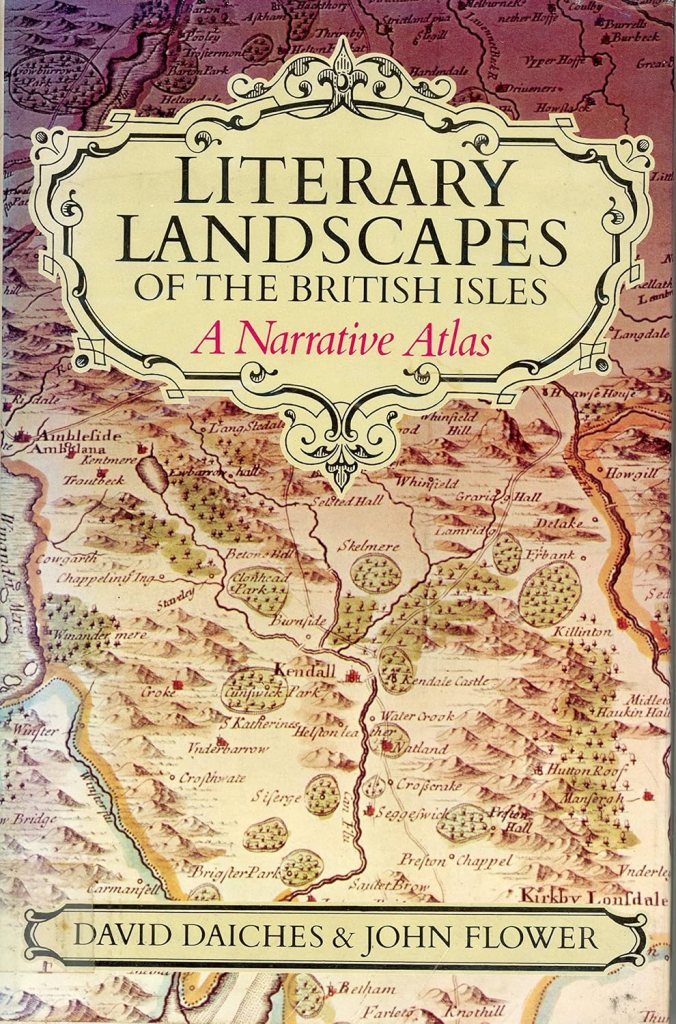
Sixty maps, a gazetteer, and critical essays place the great writers of England, Scotland, Wales, and Ireland against the background of their native regions. Identifies geographic locations mentioned in the works of English authors and discusses the influence locations may have had on their work.
Contents:
–Chaucer’s world: Chaucer’s London; Touring with Chaucer’s pilgrims; Chaucer overseas: the country of his mind — –Shakespeare’s London — –Dr. Johnson’s London — –Charles Dickens’s London — –Virginia Woolf’s London : a walking tour with Mrs. Dalloway — –Bath — –Lake poets — –Romantic poets abroad — –Bronte country — –Thomas Hardy’s Wessex — –Blackening of England — –Scotland in literature : Kidnapped: a topographical novel; Edinburgh — –Dublin of Yeats and Joyce: After Parnell; Wanderings of Ulysses; Other testimony — –Atlas and gazetteer section: Atlas; General gazetteer; London gazetteer; Westminster Abbey, St. Paul’s Cathedral, Inns of Court; Schools; Geographical index.
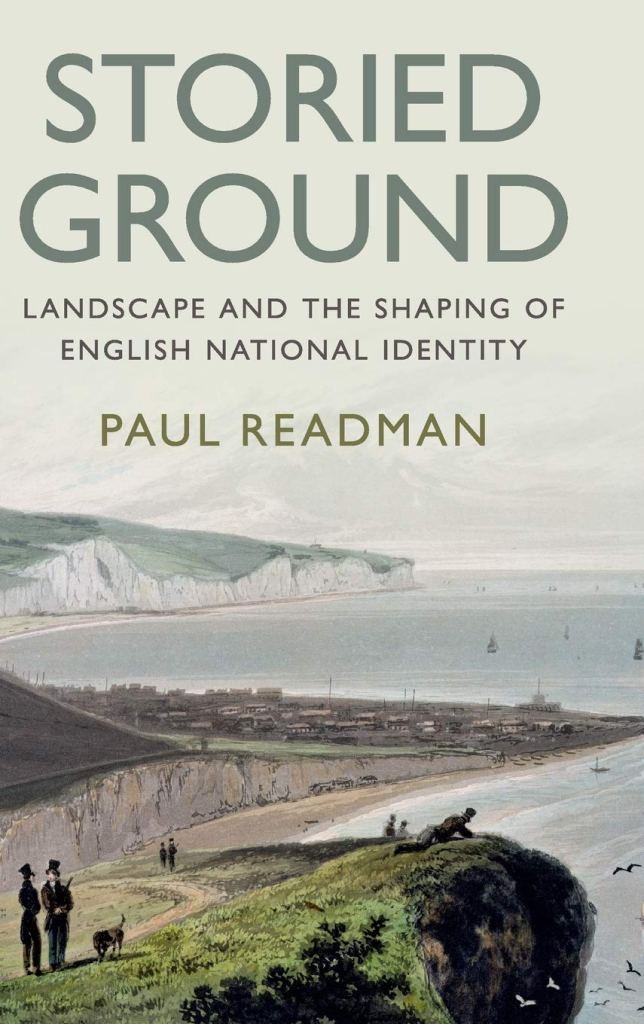
“People have always attached meaning to the landscape that surrounds them. In Storied Ground Paul Readman uncovers why landscape matters so much to the English people, exploring its particular importance in shaping English national identity amid the transformations of modernity. The book takes us from the fells of the Lake District to the uplands of Northumberland; from the streetscapes of industrial Manchester to the heart of London. This panoramic journey reveals the significance, not only of the physical characteristics of landscapes, but also of the sense of the past, collective memories and cultural traditions that give these places their meaning. Between the late eighteenth and early twentieth centuries, Englishness extended far beyond the pastoral idyll of chocolate-box thatched cottages, waving fields of corn and quaint country churches. It was found in diverse locations – urban as well as rural, north as well as south – and it took strikingly diverse forms.”
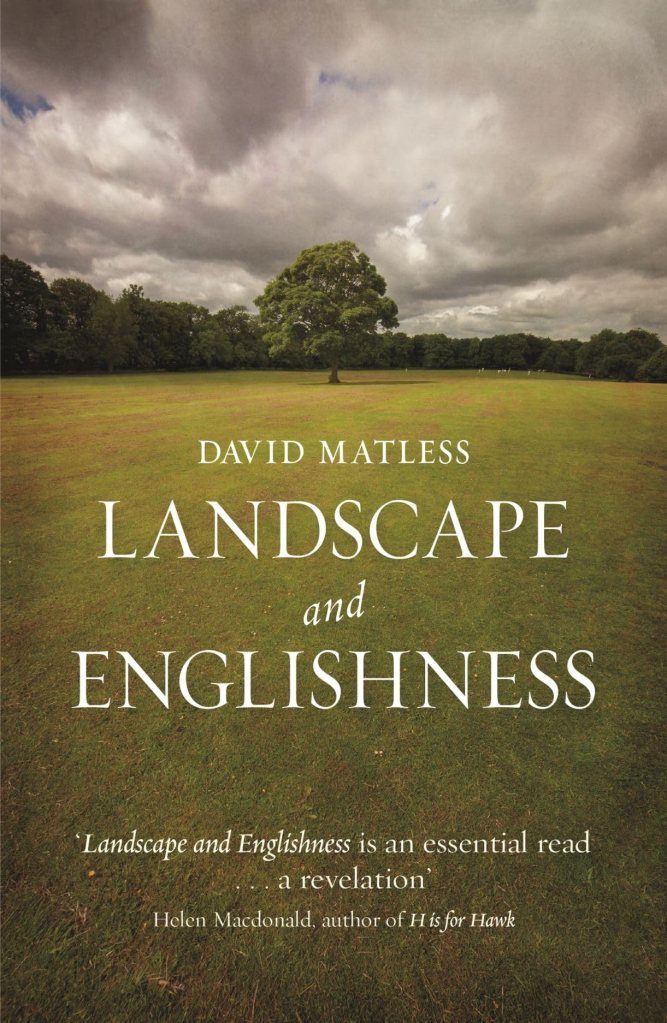
“Landscape has been central to definitions of Englishness for centuries. David Matless argues that landscape has been the site where English visions of the past, present and future have met in debates over questions of national identity, disputes over history and modernity, and ideals of citizenship and the body. Landscape and Englishness is extensively illustrated and draws on a wide range of material – topographical guides, health manuals, paintings, poetry, architectural polemic, photography, nature guides and novels. The author first examines the inter-war period, showing how a vision of Englishness and landscape as both modern and traditional, urban and rural, progressive and preservationist, took shape around debates over building in the countryside, the replanning of cities, and the cultures of leisure and citizenship. He concludes by tracing out the story of landscape and Englishness down to the present day, showing how the familiar terms of debate regarding landscape and heritage are a product of the immediate post-war era, and asking how current arguments over care for the environment or expressions of the nation resonate with earlier histories and geographies.”

 denisestartin.co.uk