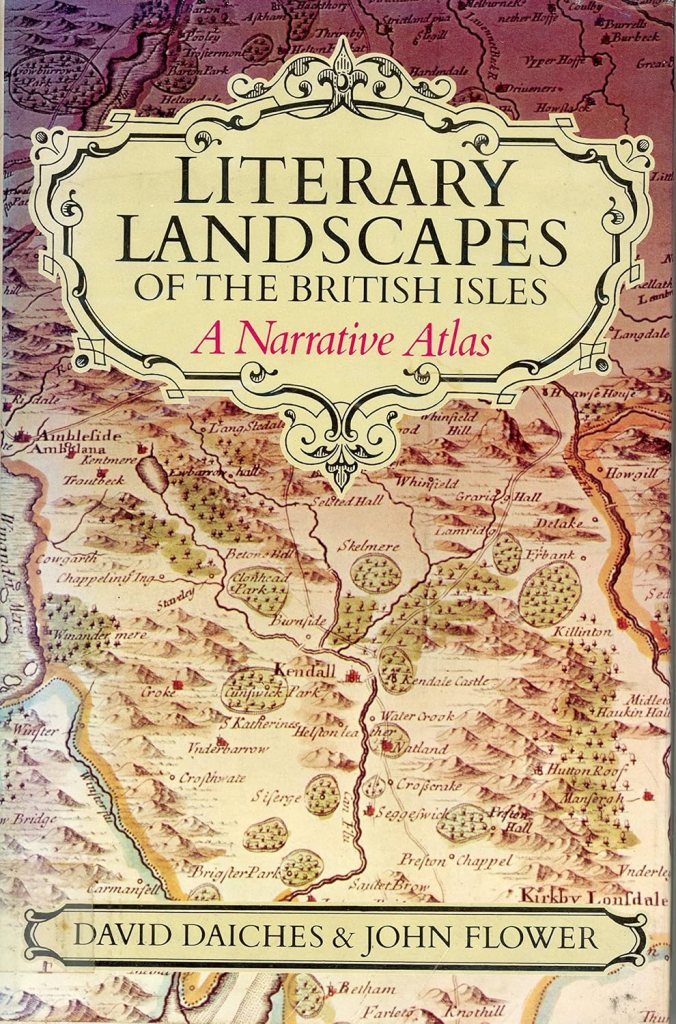
Literary Landscapes

Sixty maps, a gazetteer, and critical essays place the great writers of England, Scotland, Wales, and Ireland against the background of their native regions. Identifies geographic locations mentioned in the works of English authors and discusses the influence locations may have had on their work.

Contents:

–Chaucer’s world: Chaucer’s London; Touring with Chaucer’s pilgrims; Chaucer overseas: the country of his mind —
–Shakespeare’s London —
–Dr. Johnson’s London —
–Charles Dickens’s London —
–Virginia Woolf’s London : a walking tour with Mrs. Dalloway —
–Bath —
–Lake poets —
–Romantic poets abroad —
–Bronte country —
–Thomas Hardy’s Wessex —
–Blackening of England —
–Scotland in literature : Kidnapped: a topographical novel; Edinburgh —
–Dublin of Yeats and Joyce: After Parnell; Wanderings of Ulysses; Other testimony —
–Atlas and gazetteer section: Atlas; General gazetteer; London gazetteer; Westminster Abbey, St. Paul’s Cathedral, Inns of Court; Schools; Geographical index.
New research

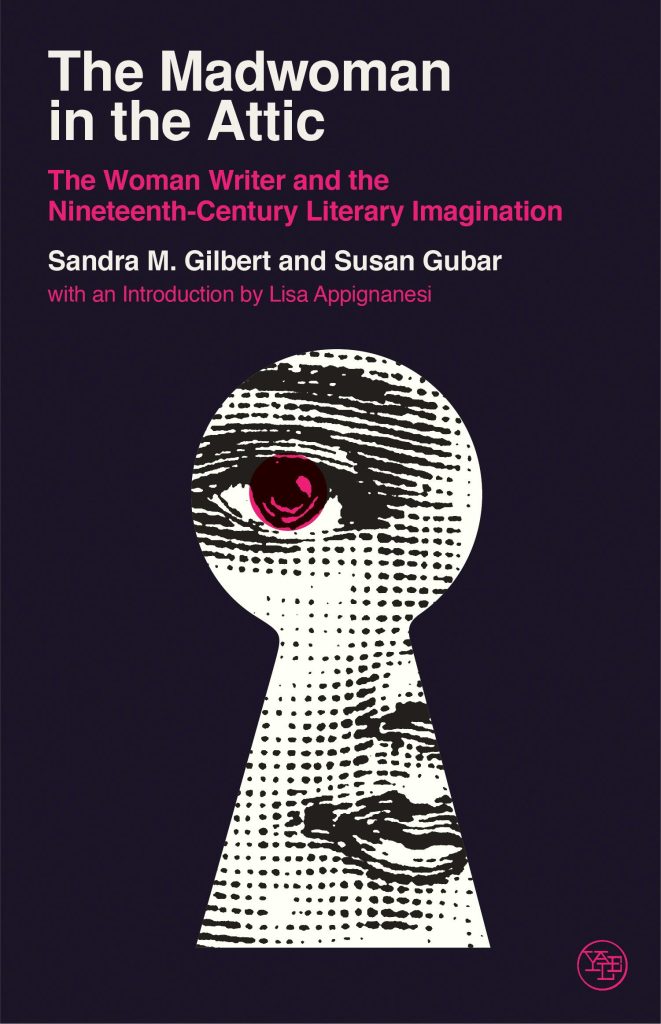
“The 1979 publication of Susan Gubar and Sandra M. Gilbert’s ground-breaking study The Madwoman in the Attic marked a founding moment in feminist literary history as much as feminist literary theory. In their extensive study of nineteenth-century women’s writing, Gubar and Gilbert offer radical re-readings of Jane Austen, the Brontës, Emily Dickinson, George Eliot and Mary Shelley tracing a distinctive female literary tradition and female literary aesthetic. Gubar and Gilbert raise questions about canonisation that continue to resonate today, and model the revolutionary importance of re-reading influential texts that may seem all too familiar.”

Text reproduced from https://www.google.co.uk/books/edition/An_Analysis_of_Sandra_M_Gilbert_and_Susa/ucxmDwAAQBAJ?hl=en&gbpv=0 (accessed 14/10/24

Currently Reading

“Since 1857, hardly a year has gone by without some sort of Brontë ‘biography’ appearing. These range from pious accounts in Victorian conduct books to Freudian pyschobiographies, from plays, films and ballets to tourist brochures and images on tea-towels, from sensation-seeking penny-a-liners to meticulous works of sober scholarship. Each generation has rewritten the Brontës to reflect changing attitudes – towards the role of the woman writer, towards sexuality, towards the very concept of personality. The BrontëMyth gives vigorous new life to our understanding of the novelists and their culture and Lucasta Miller reveals as much about the impossible art of biography as she does about the Brontës themselves.”

Text reproduced from https://www.amazon.co.uk/Bronte-Myth-Lucasta-Miller/dp/0099287145/ref=sr_1_1?crid=JRQVJMGQ82N&keywords=the+bronte+myth&qid=1682966752&sprefix=the+bronte+myth%2Caps%2C684&sr=8-1 (accessed 01/05/23)

PhD Research

Poems – by Currer, Ellis & Acton Bell is a collection of poetry written by the literary sisters Emily, Charlotte, and Anne Brontë. Published in 1846 under the pseudonyms Currer (Charlotte), Ellis (Emily), and Acton (Anne) Bell, it only sold three copies when first published. After the success of their later works, the poems have since garnered more attention and acclaim. The Brontë sisters consisted of Charlotte (1816-1855), Emily (1818-1848), and Anne (1820-1849), who belonged to a nineteenth-century literary family associated with the village of Haworth in the West Riding of Yorkshire, England. The sisters are most famous for their novels, namely Charlotte’s “Jane Eyre”, Emily’s “Wuthering Heights”, and Anne’s “The Tenant of Wildfell Hall”, each an irrefutable classic of English literature. Contents include: “Mementos”, “The Wife’s Will”, “Gilbert”, “Life”, “The Letter”, “Regret”, ” Presentiment”, “The Teacher’s Monologue”, “Passion”, “Preference”, “Evening Solace”, “Stanzas”, “Parting”, “Faith And Despondency”, “Stars”, “The Philosopher”, “Remembrance”, “A Death-Scene”, “Song”, “Anticipation”, “The Prisoner”, etc. Complete with biographical notes of Emily and Anne Brontë by their sister Charlotte Brontë, along with an Essay by Virginia Woolf on the Brontë Family Home, Haworth.