I am in the process of preparing for my transfer exam next month which requires a report, a body of practice, a presentation and as a PGR candidate I undergo a viva. Here is the synopsis of my research as it stands presently:
The purpose of the PhD research is to explore and critically evaluate the contemporary relevance of chorography as a practice research method for the critical examination of place. The research aims to situate chorography as a significant and relatively under-acknowledged approach in visual art to map characteristics of the locale by examining the relations between the physical site, its numerous interpretations, and representations. It seeks to investigate the performative and embodied experience of chorographic practice as a potential original contribution to knowledge. Additionally, the research aims to develop new ways to examine artistic practices of place-making and its application in visual art by restoring, developing, and communicating a connection between chorography, past and present. Overall, the purpose of the PhD research is to contribute to the understanding and application of chorography in contemporary artistic practice and research, specifically focusing on its application to the site of Brontë country.
mapping
Work in progress

Currently Reading

Deep maps are finely detailed, multimedia depictions of a place and the people, buildings, objects, flora, and fauna that exist within it and which are inseparable from the activities of everyday life. These depictions may encompass the beliefs, desires, hopes, and fears of residents and help show what ties one place to another. A deep map is a way to engage evidence within its spatio-temporal context and to provide a platform for a spatially-embedded argument. The essays in this book investigate deep mapping and the spatial narratives that stem from it. The authors come from a variety of disciplines: history, religious studies, geography and geographic information science, and computer science. Each applies the concepts of space, time, and place to problems central to an understanding of society and culture, employing deep maps to reveal the confluence of actions and evidence and to trace paths of intellectual exploration by making use of a new creative space that is visual, structurally open, multi-media, and multi-layered.
Currently reading

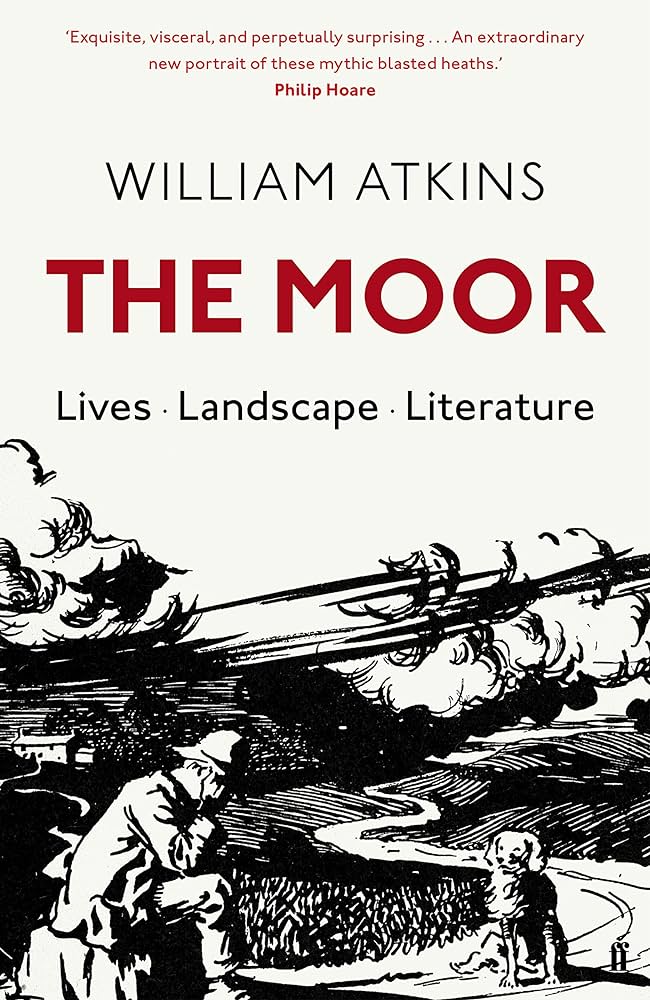
In this journey across England’s most forbidding and mysterious terrain, William Atkins takes the reader from south to north, exploring moorland’s uniquely captivating position in our history, literature and psyche. Atkins’ journey is full of encounters, busy with the voices of the moors, past and present. He shows us that, while the fierce terrains we associate with Wuthering Heights and The Hound of the Baskervilles are very human landscapes, the moors remain daunting and defiant, standing steadfast against the passage of time.
Currently Reading
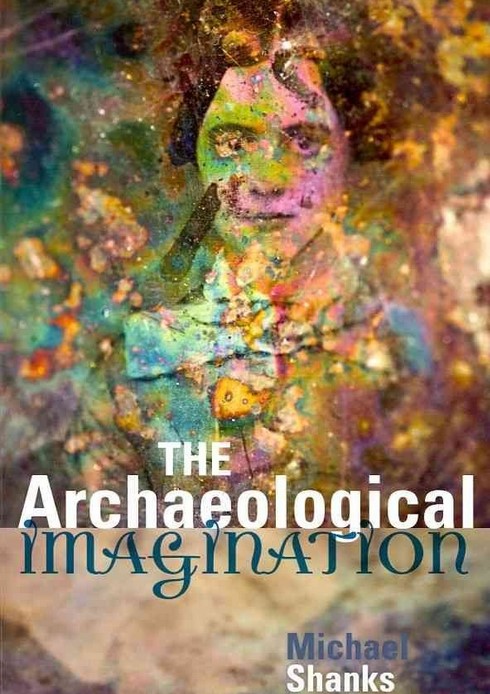
“Archaeology is a way of acting and thinking—about what is left of the past, about the temporality of what remains, about material and temporal processes to which people and their goods are subject, about the processes of order and entropy, of making, consuming and discarding at the heart of human experience. These elements, and the practices that archaeologists follow to uncover them, is the essence of the archaeological imagination.”
In his book Shanks offers the following definition: “To recreate the world behind the ruins on the land, to reanimate the people behind the shard of antique pottery, a fragment of the past: this is the work of the archaeological imagination, a creative impulse and faculty at the heart of archaeology, but also embedded in many cultural dispositions, discourses and institutions commonly associated with modernity. The archaeological imagination is rooted in a sensibility, a pervasive set of attitudes toward traces and remains, towards memory, time and temporality, the fabric of history.” pp.25
Text reproduced from https://www.google.co.uk/books/edition/The_Archaeological_Imagination/a6tJDAAAQBAJ?hl=en&gbpv=0 (accessed 13/08/23)
 denisestartin.co.uk