About Letters to the Landscape (2025)

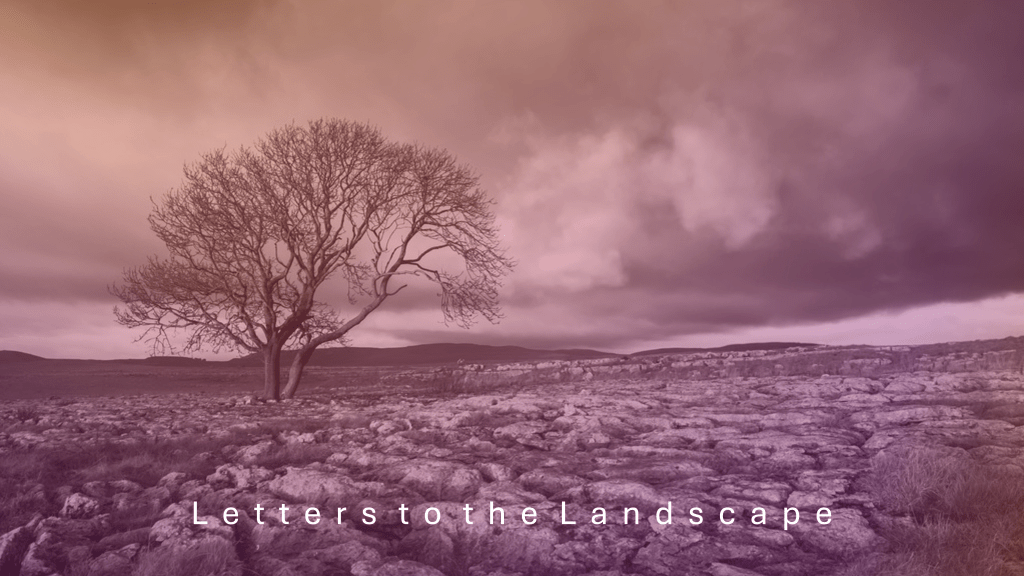
Title still

Letters to the Landscape brings together haunting, de-archiving, and displacement as interwoven strategies of resistance, contributing to ongoing conversations around feminist historiography, embodied research, and the politics of cultural memory. This work is a cinematic essay, practice-led investigation and situated methodology grounded in the archival practice of (re)collecting, framing vernacular archives as dynamic social agents and sites of affective transmission. Structured as episodic meditations across the moorlands of Brontë Country, the work interrogates how landscape, literature, and the female body intersect through archival gestures including letter writing, re-citing, reciting, remembering, walking, appropriation, and fictionalisation. Drawing on the epistolary form, found materials, and multimodal image-making the artist-researcher is positioned within both the physical terrain and the symbolic archive, enacting an embodied traversal that resists institutional fixity and foregrounds fragment, rupture, and affective resonance (Taylor, 2003; Schneider, 2011; Kämpfe, 2023). The project performs a recuperative act, (re)collecting postcards, letters, voices, and family photographs whilst acknowledging the impossibility of full recovery. Echoing Derrida’s (1996) notion of the archive as search and longing, the archive is conceived not as a fixed repository but as a haunted porous space: a séance, where Brontë, Gaskell, and the artist’s voice (in the guise of fictional personae Phyllis Dare) converge, interrupt, and overwrite each other. This polyphonic layering becomes a strategy of de-archiving, resisting singular authorship and re-situating memory as a shared unstable terrain.

Displacement emerges as both theme and method. The journey to Top Withens, reputed site of Wuthering Heights (1847), is framed as reluctant encounter rather than literary pilgrimage, with the landscape enacting estrangement and resistance (Rosenberg, 2007; Sebald, 2013). Archival materials are (re)collected, redistributed, and misremembered, the gesture of collecting is transformed into a metaphor for unrequited desire. In this way, the archive migrates across bodies, media, and temporalities, a travelling entity whose meaning remains unstable and contested (Bal, 2002, Slaymaker, 2023; Carter et al., 2022). By foregrounding social performances of memory through walking, writing, (re)collecting, remembering, this project proposes a methodology of situated resistance: a way of inhabiting the archive without claiming it. Letters to the Landscape challenges dominant memorial frameworks by expanding how vernacular memory objects are read and activated across non-institutional sites. The project ultimately unfolds as a speculative feminist historiography re-situating memory as a living and embodied terrain. The work has been constructed through the interaction of several pseudonyms, operating under the fictional artist duo Vale & Howlette. By foregrounding these dramatis personae, the project interrogates authorship, authenticity, and the performance of identity within a speculative narrative framework. The use of performance, voice, and multi-modal forms foregrounds how vernacular archives carry social memory in ways that challenge existing interpretative structures, resisting containment through affective rupture. The work ultimately unfolds not to restore a lost narrative or reconstruct a singular past, but to re-situate memory within a living and embodied terrain where archival gestures become vehicles of resistance, resonance, and reimagination and landscapes, bodies and narratives converge.

Walking

Across the world, walking is a vital way to assert one’s presence in public space and discourse. Walking maps the terrain of contemporary walking practices, foregrounding work by Black artists, Indigenous artists and artists of colour, working-class artists, LGBTQI+ artists, disabled artists and neurodiverse artists, as well as many more who are frequently denied the right to take their places in public space, not only in the street or the countryside, but also in art discourse. This anthology contends that, as a relational practice, walking inevitably touches upon questions of access, public space, land ownership, and use. Walking is, therefore, always a political act.

Artists surveyed include:
Stanley Brouwn, Laura Grace Ford, Regina Jose Galindo, Emily Hesse, Tehching Hsieh, Kongo Astronauts, Myriam Lefkowitz, Sharon Kivland, Andre Komatsu, Steve McQueen, Jade Montserrat, Sara Morawetz, Paulo Nazareth, Carmen Papalia, Ingrid Pollard, Issa Samb, Sop, Iman Tajik, Tentative Collective, Anna Zvyagintseva. Writers include: Jason Allen-Paisant, Tanya Barson, André Brasil, Amanda Cachia, Sarah Jane Cervenak, Annie Dillard, Jacques Derrida, Dwayne Donald, Darby English, Édouard Glissant, Steve Graby, Antje von Graevenitz, Stefano Harney and Fred Moten, Elise Misao Hunchuck, Kathleen Jamie, Carl Lavery, JeeYeun Lee, Michael Marder, Gabriella Nugent, Isobel Parker Philip, Rebecca Solnit.

Text and image reproduced from Amazon

Title still from my current PhD project

Letters to the Landscape is an epistolary diaologue and travelogue exploring the relations between Brontë Country and Emily Brontë’s Wuthering Heights. The artist uses various strategies including polyphony, narrative, autobiography and the intimate. The essay incorporates postcards, letters, pinhole photography. digital photography, found images, found texts and Super 8.

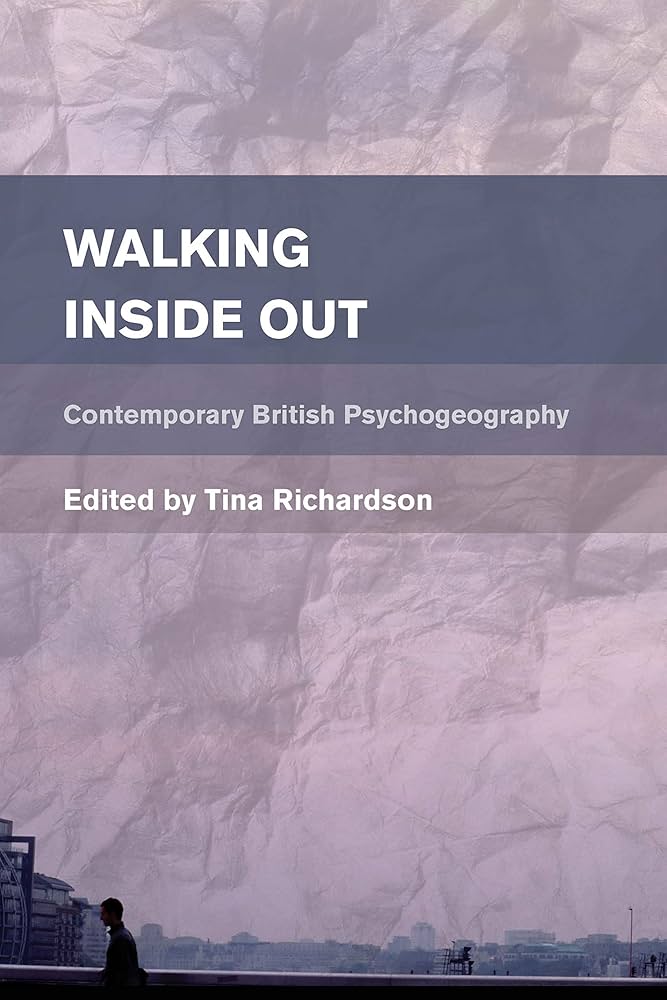
Contemporary British Psychogeography

Walking Inside Out is the first text that attempts to merge the work of literary and artist practitioners with academics to critically explore the state of psychogeography today. The collection explores contemporary psychogeographical practices, shows how a critical form of walking can highlight easily overlooked urban phenomenon, and examines the impact that everyday life in the city has on the individual. Through a variety of case studies, it offers a British perspective of international spaces, from the British metropolis to the post-communist European city. By situating the current strand of psychogeography within its historical, political and creative context along with careful consideration of the challenges it faces Walking Inside Out offers a vision for the future of the discipline.

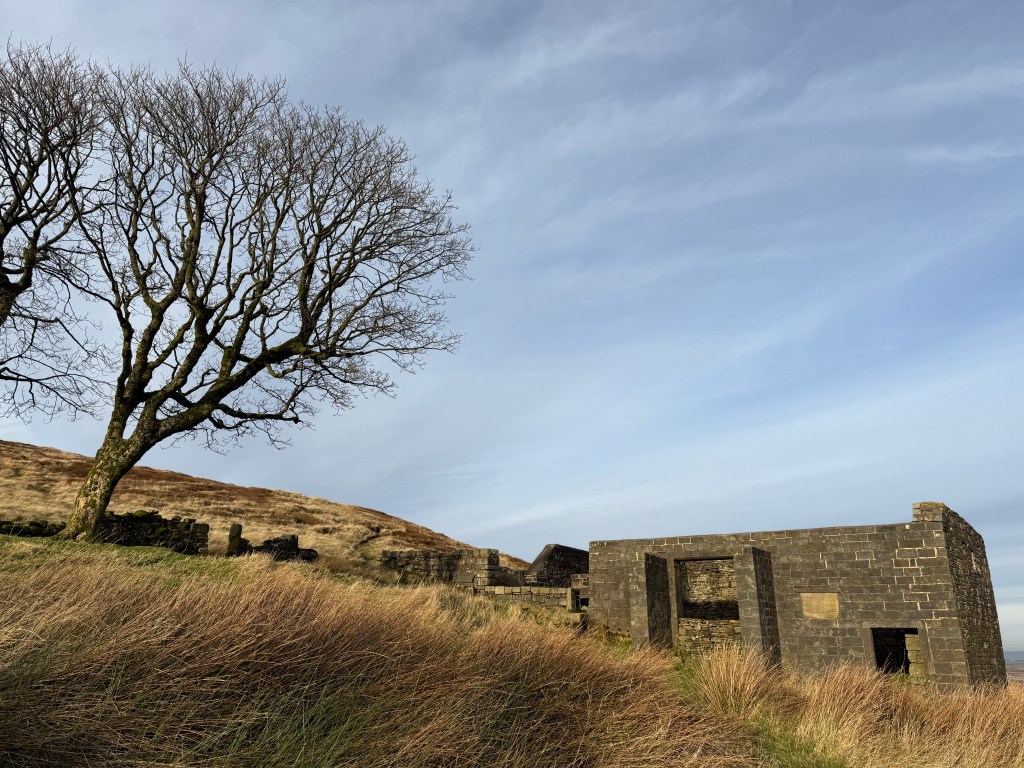
Walking the West Yorkshire Moors

The West Yorkshire Moors is an original cartographic guide to the moorlands of West Yorkshire. The book traces old and new paths, unearths lost names and discovers hidden features on even the most apparently empty corner of these moors. There are extensive notes and sketches of the area’s history, wildlife, folklore and etymology. Twenty-nine suggested routes are included, most of which are accessible by public transport. These moors stretch from Ilkley, Keighley and Bingley in the north to Holmfirth, Marsden and Meltham in the south. This new edition of the book features amended and digitally remastered maps, and several new sketches. All the routes have been updated, with two brand new ones added.

Image & text reproduced from https://christophergoddard.net/product/the-west-yorkshire-moors/ (accessed 11/12/24) Book available from website